Parents of freshmen, sophomores, and juniors: If your child plans to apply to Brown PLME or another top BS/MD program, now is the time to work with a trusted admissions expert who delivers RESULTS.
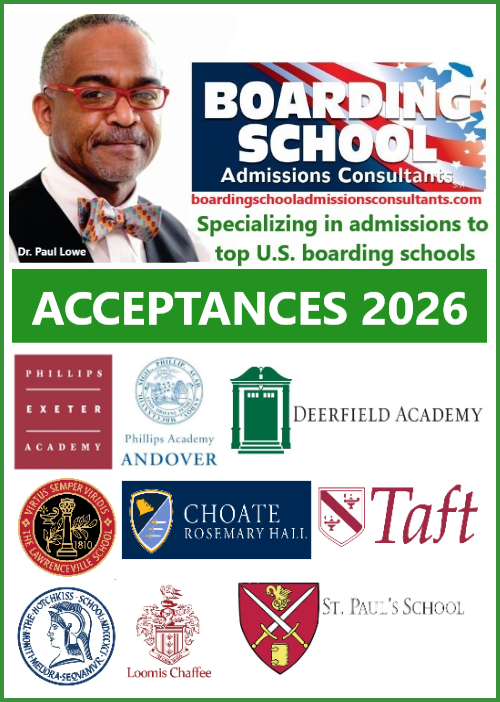
We are proud to tell you about our Class of 2026 Results! It was a tough year! And we expect next year to be even tougher. Our parents of the below students are happy, overjoyed and excited that they can now call their sons and daughters “Doctors”!
For 2026, several of our clients were accepted to MULTIPLE BS/MD programs!!!!!
Dr. Lowe’s 2026 Acceptances to BS/MD Programs
- Brown University PLME – 15
- Drexel University – 4
- Case Western PPSP – 3
- George Washington – 2
- Indiana University/IU – 2
- Indiana University/UE – 1
- Indiana University/USI – 1
- NJIT/Albert Dorman Honors College – 9
- Penn State/Jefferson Medical College – 3
- RPI/Albany Medical College – 5
- Rutgers – New Jersey Medical – 5
- Seton Hall/Hackensack – 7
- Siena College/Albany Medical College – 4
- Temple University – 3
- TCNJ/New Jersey Medical – 4
- Union College/Albany Medical College – 2
- University of Connecticut – 3
- University of Pittsburgh – 4
- University of Rochester (REM) – 2
- Syracuse UAS – 2
- Texas Tech – 3
- Virginia Commonwealth University – 4
- UMKC – 6
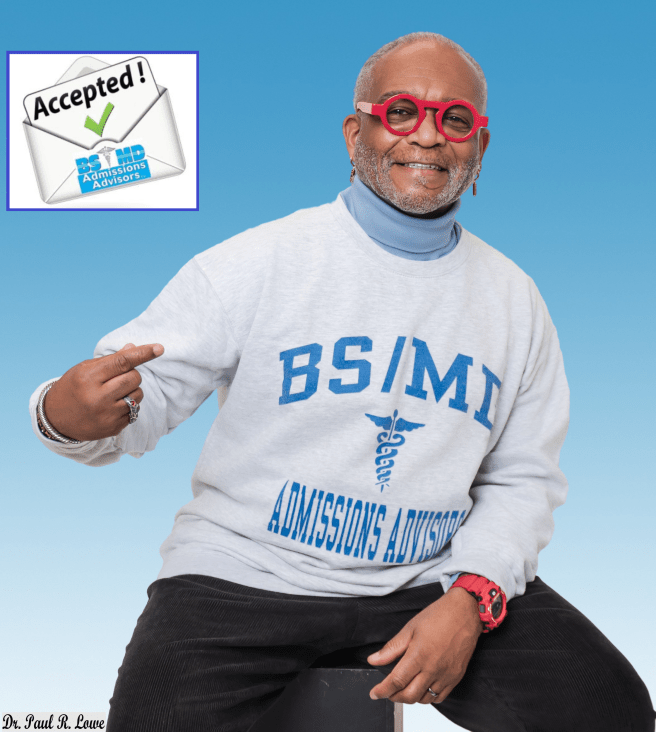
BS/MD Program Acceptances – Dr. Paul Lowe
Dr. Paul Lowe, through BS/MD Admissions Advisors, helps his clients get accepted to top BS/MD programs: Brown PLME, RPI/Albany Med, U Rochester (REMS), NJIT/NJMS, TCNJ/NJMS, Case Western PPSP, UConn SPM, Penn State/Jefferson, etc. Dr. Lowe also specializes in helping students who have been rejected by BS/MD programs reapply to BS/MD programs as a Gap Year applicant: GAP Year BS/MD Admissions.