Dr. Paul Lowe’s admissions strategy of “Best Chance” BS/MD programs is built on matching a student’s specific academic, extracurricular, and demographic profile to the ever-changing admissions priorities of individual combined-degree programs; and his insights gathered through continuous campus visits, meetings with admissions officers, and historical acceptance analytics based on records of his past-clients’ acceptances.
Rather than applying broadly to every direct BS/MD program, Dr. Lowe’s “Best Chance” strategy narrows the target list to institutions where a student’s unique strengths and admissions profile align with what a school-specific admissions committee values most.
How are “Best Chance” BS/MD Programs Determined for a Client?
Through direct engagement with BS/MD program directors and college admissions staff, Dr. Lowe identifies the institutional factors that make a specific program the most likely to admit a particular applicant based on the admissions profile he has developed.
What Is The Result Of Dr. Lowe’s “Best Chance” BS/MD Program Strategy?
Over the past 30 years, Dr. Lowe’s clients are accepted to top BS/MD programs including Brown PLME, Case Western (PPSP), UPitt (GAP), Rochester (REM), NJIT/NJMS, TCNJ/NJMS, Rutgers/NJMS, UConn (SPM), RPI/AMC, Penn State/Jefferson, etc.
Who is a Good Fit for Dr. Lowe’s “Best Chance” BS/MD Program Strategy?
The BS/MD path is not for everyone. Dr. Lowe personally selects the limited number of students and families he works with. Students must demonstrate a clear commitment to becoming a physician by pursuing a BS/MD program. Parents should be familiar with Dr. Lowe and his work and must be willing to invest the time and resources to work directly with him and be seeking a founder-led firm rather than simply exploring options or comparing prices.
Dr. Paul Lowe, through BS/MD Admissions Advisors, helps his clients get accepted to top BS/MD programs: Brown PLME, RPI/Albany Med, U Rochester (REMS), NJIT/NJMS, TCNJ/NJMS, Case Western PPSP, UConn SPM, Penn State/Jefferson, etc. Dr. Lowe also specializes in helping students who have been rejected by BS/MD programs reapply to BS/MD programs as a Gap Year applicant: GAP Year BS/MDAdmissions.
Each month, Dr. Lowe will present a case study of a BS/MD applicant and discuss their qualifications and admissions outcome.
Applicant Profile (Client retained in junior year):
School: New Jersey Public High School.
GPA: 3.98 unweighted/4.65 weighted.
SAT Score: 1530 (Math: 800, Reading/Writing: 730)
Course Rigor: 10 AP Courses (5s on 6 exams and 4s on 4 exams), post-AP Multivariable Calculus and Linear Algebra.
School Rank: Top 10% in a very competitive suburban NJ public high school.
Extracurricular Activities:
Clinical Interaction: 60 hours of general hospital volunteering (escorting patients, restocking supplies). 10 hours, clinic in India.
Research Experience: 1 summer at a local university biology lab doing basic bench work (no publications or major science fair awards). 2 additional self-publications.
Shadowing: 10 hrs.-with a family medicine physician.
Leadership & Other Activities: JV Tennis Team-member, Debate Club-Vice President, Peer Math Tutor-Lead, Student Council-Rep, National Honor Society-President, Spanish Honor Society-Sec., Indian classical dance, HOSA-member, started additional organizations.
Target Programs/application: Direct BS/MD & BA/MD Programs and Ivy-plus: Brown PLME, Case Western PPSP, UPitt GAP, RPI/AMC, Penn State/Jefferson, Rochester (REMS), UMKC, TCNJ/NJMS, NJIT/NJMS, UConn SPM, Drexel EAP, Syracuse/SUNY, Columbia, Dartmouth, UPenn, Stanford and Johns Hopkins.
Admissions Outcome/Acceptance: Brown PLME, RPI/AMC, Case Western PPSP, NJIT/NJMS, Drexel EAP, Columbia, Stanford and Johns Hopkins.
Dr. Lowe’s Assessment/Review/Strategies/Results (Client): Refined and enhanced student’s initial admissions profile. Discovered gaps and mistakes in high school activities and reorganized high school activities by prioritizing depth and breadth. Developed personal branding campaign. Assisted in selecting a Common App personal statement prompt, developed theme and revised student’s draft. Targeted “best chance” BS/MD programs and Ivy-plus schools based on Dr. Lowe’s visits to schools and his records of past-clients’ acceptances. Developed fluid essay themes. Assisted in selecting majors for each Common App school. Multiple continuous, ongoing Zoom meetings regarding application strategies and interview preparation. Assisted in the development of supplemental essay themes, reviewed drafts created by client followed by (non-AI) editing and multiple revisions. Developed and shaped medical narrative regarding “Why medicine” and “Why doctor?” essays. Assisted in developing Brown video essay script, reviewed and revised Brown video. Post-application submission strategies. All meetings were held directly with Dr. Lowe, the student and the parents.
Dr. Paul Lowe, through BS/MD Admissions Advisors, helps his clients get accepted to top BS/MD programs: Brown PLME, RPI/Albany Med, U Rochester (REMS), NJIT/NJMS, TCNJ/NJMS, Case Western PPSP, UConn SPM, Penn State/Jefferson, etc. Dr. Lowe also specializes in helping students who have been rejected by BS/MD programs reapply to BS/MD programs as a Gap Year applicant: GAP Year BS/MDAdmissions.
Safeguarding your child’s educational future in an unpredictable and ever-changing admissions landscape requires effective high-impact strategies that every parent deserves to know. Through Pinnacle Educational Center’s BS/MD Admissions Advisors, Dr. Paul Lowe shares practical strategies to help families succeed.
That’s why over the next few months; Dr. Lowe, through his college admissions seminars, will be sharing his insider’s knowledge on how to:
☑️ Create an admissions “WOW” factor.
☑️ Communicate effectively with admissions officers.
☑️ Navigate the admissions process and use your personal brand to your advantage.
☑️ Develop compelling essay themes that capture admissions committees’ attention.
☑️ Craft a compelling “Why Medicine?” essay.
Your child’s educational future matters. Dr. Lowe’s insights, insider’s knowledge and admissions intelligence can help your family avoid common pitfalls, approach the admissions process with confidence, and pursue its goals with greater peace of mind.
Visit BS/MD Admissions Advisors for scheduled events!
Dr. Paul Lowe, through BS/MD Admissions Advisors, helps his clients get accepted to top BS/MD programs: Brown PLME, RPI/Albany Med, U Rochester (REMS), NJIT/NJMS, TCNJ/NJMS, Case Western PPSP, UConn SPM, Penn State/Jefferson, etc. Dr. Lowe also specializes in helping students who have been rejected by BS/MD programs reapply to BS/MD programs as a Gap Year applicant: GAP Year BS/MDAdmissions.
Parents of freshmen, sophomores, and juniors: If your child plans to apply to Brown PLME or another top BS/MD program, now is the time to work with a trusted admissions expert who delivers RESULTS.
We are proud to tell you about our Class of 2026 Results! It was a tough year! And we expect next year to be even tougher. Our parents of the below students are happy, overjoyed and excited that they can now call their sons and daughters “Doctors”!
For 2026, several of our clients were accepted to MULTIPLE BS/MD programs!!!!!
Dr. Paul Lowe, through BS/MD Admissions Advisors, helps his clients get accepted to top BS/MD programs: Brown PLME, RPI/Albany Med, U Rochester (REMS), NJIT/NJMS, TCNJ/NJMS, Case Western PPSP, UConn SPM, Penn State/Jefferson, etc. Dr. Lowe also specializes in helping students who have been rejected by BS/MD programs reapply to BS/MD programs as a Gap Year applicant: GAP Year BS/MDAdmissions.
Many parents assume the admissions selection process is structured, formulaic, and governed by strict criteria. However, after 30 years in admissions advising, regularly visiting schools and speaking with admissions officers and deans of admissions, I have learned that decision-making can also be emotional.
Parents may not realize or understand that human beings, not automated algorithms, review applications, therefore, emotions, personal affinity, and bias can strongly influence admissions committees’ decisions.
College admissions officers can experience a range of emotions while making decisions, especially because they are evaluating students whose applications often involve personal stories, character and significant life circumstances.
While academic metrics like GPA and test scores establish a baseline, human emotion and empathy often tip the scale when admissions officers decide who gets admitted. Their emotional responses can interact with evaluative judgments, particularly when an application contains information that is difficult to assess objectively.
When it comes time to make final decisions, a group of several officers, and sometimes a few faculty members or even current students, gather to discuss applications. They evaluate each student in a matter of minutes, who have been vetted by individual officers who are making the case for their “favorite” candidates. Committees look for interpersonal skills, empathy, emotional and cultural intelligence and collaborative traits that prove a student will positively enrich and contribute to the campus community.
In my discussions with admissions officers, I have observed that admissions officers naturally lean toward students whose writing reveals a warm, relatable, and genuine personality rather than sterile perfection. And they emotionally connect with applicants who share similar background elements, regional roots, or life-changing transitions.
When applicants have similar academic records and extracurricular activities, admissions officers may give greater weight to personal strengths, self-awareness, motivation, empathy, and social skills.
Understanding the ever-changing and constantly evolving dynamics of admissions committees is one of the main reasons my clients succeed. I research the people behind the decision-making process rather than relying on published materials, AI, websites or hearsay, which helps me understand and effectively navigate emotional responses and biases. This helps me develop WINNING ADMISSIONS STRATEGIES for my clients!
Ivy League Admissions Advisors, a division of Pinnacle Educational Center Admissions Advisors Group (PECAAG), specializes in helping students gain admissions to Ivy League and highly selective colleges. It also helps students transfer to Ivy League colleges!
BS/MD Admissions Advisors, helps students get accepted to top BS/MD programs: Brown PLME, RPI/Albany Med, U Rochester (REMS), NJIT/NJMS, TCNJ/NJMS, Case Western PPSP, UConn SPM, Penn State/Jefferson, etc. Dr. Lowe also specializes in helping students who have been rejected by BS/MD programs reapply to BS/MD programs as a Gap Year applicant: GAP Year BS/MDAdmissions.
Many parents assume that books, free advice, college information sessions, or any type of college admissions consultant will be enough to successfully guide their children through the competitive college admissions process. But that approach can lead to costly mistakes that result in rejections. Families need a consultant with years of experience who stays current on admissions trends by visiting these institutions firsthand.
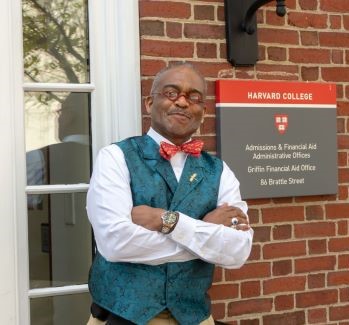
Dr. Paul Lowe continually conducts firsthand, in-person campus visits to Ivy Plus colleges/universities and top BS/MD programs for specific reasons:
Understanding Evolving Admissions Policies/Building Longstanding Relationships with Admissions Staff: Admissions policies, selection philosophies, testing requirements, and evaluation criteria constantly shift. In-person visits allow Dr. Lowe to speak directly with regional admissions officers and directors, deans, enrollment officers, department heads and faculty to stay updated on real-time changes rather than relying on outdated websites, brochures, information sessions or second-hand information. Visiting campuses also enables Dr. Lowe to establish and maintain longstanding relationships with university leaders, administrators, and admissions staff and even presidents of universities. Because admissions committees and directors change frequently, Dr. Lowe’s ongoing in-person visits help him build rapport, maintain an open line of communication, and ask specific questions on behalf of his clients.
Guiding “Demonstrated Interest” and School-Specific Essay Nuance: Ivy-plus colleges and top BS/MD programs value applicants who can articulate exactly why a specific school fits them and why they should be an accepted student. By regularly visiting schools, Dr. Lowe knows each campus intimately, he obtains up-to-date insights that will allow him to successfully guide students on how to write specific, compelling supplemental essays. Understanding what specific selection committees value and prioritize gives Dr. Lowe the insight needed to craft personalized application strategies for his clients.
Families seeking admissions advice should expect current, firsthand expertise from consultants who regularly visit campuses. Dr. Lowe’s direct campus visits provide insider knowledge that goes beyond generic online or secondhand guidance, giving families credible, expert support for high-stakes college applications.
Would you rather hire a consultant who simply makes you believe that you feel confident, or an admissions advisor whose firsthand experience, campus visits and insiders’ knowledge help position your child for admission to an Ivy-plus university or top BS/MD program?
Ivy League Admissions Advisors, a division of Pinnacle Educational Center Admissions Advisors Group (PECAAG), specializes in helping students gain admissions to Ivy League and highly selective colleges. It also helps students transfer to Ivy League colleges!
BS/MD Admissions Advisors, helps students get accepted to top BS/MD programs: Brown PLME, RPI/Albany Med, U Rochester (REMS), NJIT/NJMS, TCNJ/NJMS, Case Western PPSP, UConn SPM, Penn State/Jefferson, etc. Dr. Lowe also specializes in helping students who have been rejected by BS/MD programs reapply to BS/MD programs as a Gap Year applicant: GAP Year BS/MDAdmissions.
Extracurricular activities just might be the most misunderstood aspect of college applications. Too often, families make the mistake of thinking that the more glamorous, prestigious, and amazing the activity is, the more impressed admissions officers will be. Not so! The activity itself is only half of the equation; how a student reflects on it in their application essays matters just as much. Admissions officers can easily spot “resume padding”.
Many families assume that founding an NGO, securing a high-profile internship through family connections, enrolling a costly “selective” pre-college summer program, or creating a glossy “international non-profit” guarantees admissions success. In my discussions with admissions officers, they see right through it.
Over the years, my ongoing conversations with admissions officers at Ivy Plus institutions and top BS/MD programs have revealed a clear consensus on what they value in extracurricular activities:
Depth over breath: Your commitment to 2 or 3 meaningful activities over several years beats a laundry list of superficial memberships every time.
Real Impact: Did you have a true impact on your immediate community which includes your family, school, local town, state, etc.?
Initiative and Character: Are you overcoming real obstacles, demonstrating responsibility, reliability, responsibility and drive?
Admissions officers at top universities aren’t looking for a high-volume list of glossy titles. They look for depth, initiative, and authentic impact within a student’s actual sphere of influence. Admissions teams evaluate achievements relative to the opportunities available to students, prioritizing meaningful commitment and engagement over perceived glamour.
Dr. Lowe helps students develop extracurricular profiles and activities through strategic planning, purposeful projects, and leadership initiatives. He works with each student to identify extracurricular opportunities that align with their passions, interests and goals, helping them build a unique extracurricular profile.
Ivy League Admissions Advisors, a division of Pinnacle Educational Center Admissions Advisors Group (PECAAG), specializes in helping students gain admissions to Ivy League and highly selective colleges. It also helps students transfer to Ivy League colleges!
BS/MD Admissions Advisors, helps students get accepted to top BS/MD programs: Brown PLME, RPI/Albany Med, U Rochester (REMS), NJIT/NJMS, TCNJ/NJMS, Case Western PPSP, UConn SPM, Penn State/Jefferson, etc. Dr. Lowe also specializes in helping students who have been rejected by BS/MD programs reapply to BS/MD programs as a Gap Year applicant: GAP Year BS/MDAdmissions.
Applying to BS/MD programs can feel mysterious from the outside. Applicants and parents spend years attempting to develop a profile and months preparing applications, personal statements and supplementary essays. Yet few truly understand what happens once applications are submitted.
Admissions committees review thousands of applications every year, and the evaluation process is far more structured than many students and parents expect. Through continual visits to leading BS/MD programs and conversations with admissions professionals, Dr. Lowe has gained insight into how committees evaluate applicants and how students can avoid common mistakes and get rejected.
Here is a step-by-step look at how BS/MD Admissions Committeestypically review applications.
Step 1: Initial Application Screening
After applications are submitted, schools begin with an initial screening to confirm that applicants meet baseline school requirements, such as prerequisite coursework and minimum academic standards.
Many schools also use internal systems to sort applications by GPA, SAT/ACT scores, and institutional priorities. This step does not determine admission, but it helps admissions officers organize files for deeper review.
Applicants may assume numbers alone decide outcomes at this stage. In reality, admissions committees use a holistic framework that weighs academic readiness alongside experience, leadership, service, and personal qualities.
Step 2: File Assignment to Reviewers
Once screening is complete, applications are assigned to admissions staff, faculty or trained reviewers. Each file is typically read independently by more than one reviewer.
Reviewers examine the full application, including the personal statement, activities list, recommendation letters, academic record, and secondary essays. They usually apply a rubric or scoring system to assess qualities each program values.
These criteria often include academic preparation, commitment to service, professionalism, resilience, character, communication skills, and alignment with the school’s mission.
Step 3: Personal Statement and Experiences Review
After confirming academic readiness, reviewers focus on the applicant’s narrative components. The personal statement and activities section provide context to grades and test scores and help committees understand the real person behind the application.
Step 4: Letters of Recommendation Evaluation
Letters of recommendation show committees how applicants perform in academic and high school and community settings. Choosing the right recommender can strengthen an application and influence whether a student receives an interview, acceptance, waitlist offer, or rejection.
Reviewers consider how well recommenders know the applicant and whether they provide specific examples about character rather than general praise.
Often, these letters confirm whether the applicant’s self-description matches how others perceive them.
Step 5: Secondary Application/Essay(s) Assessment
If an applicant passes the first review stage, secondary essays become an important part of the evaluation. Reviewers assess how thoughtfully and specifically applicants respond to each prompt. Reviewers love short essays because they force applicants to be direct, reveal their true voices and characters quickly, and show genuine authenticity without fillers
Step 6: Committee Discussion and Scoring
After individual reviewers complete their evaluations, applications are discussed in committee meetings. These discussions allow reviewers to compare perspectives and decide whether applicants should advance, be waitlisted, or be denied.
Committees evaluate a combination of factors, including academic metrics, shadowing, experiences, leadership, and personal qualities. A holistic review ensures that no single factor determines the result.
At this stage, applicants with strong preparation and authentic motivation for medicine are most likely to move forward in the selection process.
Step 7: Interview Invitation Decisions
Some BS/MD programs include an interview phase.
Applicants with strong overall evaluations are invited to interviews, where schools assess qualities that are difficult to evaluate on paper, such as communication skills, professionalism, empathy, and critical thinking.
Interview invitations do not mean acceptance is guaranteed, but they indicate that the admissions committee believes the applicant may be a strong fit for the program.
Step 8: Final Committee Decisions
After interviews are completed, committees meet again to make final decisions. Interview performance, application strength, and institutional priorities all play a role in determining whether applicants are accepted, waitlisted, or denied.
Admissions committees ultimately aim to build a balanced class of students who demonstrate academic readiness, commitment to service, and the personal qualities needed for success in a BS/MD program.
Dr. Lowe’s understanding of how admissions committees review applications helps his clients approach the process more strategically. Every component of the application including academic record, experiences, essays, and recommendations contributes to a broader narrative about who you are and why you should be a member of a specific BS/MD program.
Drawing on 30 years of admissions experience, acceptance results and conversations with admissions committees, Dr. Lowe understands that the strongest applications are not merely impressive on paper; they must a present clear story of growth, purpose, maturity, character and readiness for the responsibilities of being BS/MD program class member.
Dr. Paul Lowe, through BS/MD Admissions Advisors, helps his clients get accepted to top BS/MD programs: Brown PLME, RPI/Albany Med, U Rochester (REMS), NJIT/NJMS, TCNJ/NJMS, Case Western PPSP, UConn SPM, Penn State/Jefferson, etc. Dr. Lowe also specializes in helping students who have been rejected by BS/MD programs reapply to BS/MD programs as a Gap Year applicant: GAP Year BS/MDAdmissions.
Dr. Paul Lowe does not offer one-time consultations because admissions is a complex, nonlinear process and not a transactional matter that can be solved with quick fixes. A single 60-minute meeting provides broad, generic advice rather than meaningful, personalized guidance. Although many educational consultants offer free one-time consultations, Dr. Lowe does not!
Successful admissions outcomes require thoughtful strategy, mistakes/risk avoidance, sustained advocacy, and ongoing support. Understanding a student’s strengths, needs, and developing an acceptance-admissions path takes time; having a one-time consultation is one dimensional and only reflects a parent’s perspective. It does not capture the full scope and picture of the student’s admissions journey. Parents often expect a one-time consultation to be helpful, but it DOES NOT offer the depth of guidance needed for acceptance to highly competitive schools.
In one-time consultations, parents seek quick answers, but quick answers do not address the deeper admissions issues at stake that may cause rejection letters. Long-term engagements allow Dr. Lowe to understand each student more fully and develop WINNING ADMISSIONS STRATEGIES so that his clients are accepted to elite boarding schools: Andover, Exeter, Choate, Deerfield, etc.; Ivy League colleges/universities: Harvard, Yale, Princeton, etc.; top BS/MD programs: Brown PLME, RPI/Albany Med, U Rochester (REMS) and top medical schools: Harvard Med, Johns Hopkins Med, and UPenn Perelman Med.
Dr. Paul Lowe is CEO and Lead Admissions Advisor at Pinnacle Educational Center Admissions Advisors Group (PinnacleAAG). PinnacleAAG is a global advisory firm providing strategic admissions advisory services to families and students seeking admissions to elite U.S. boarding and day schools, Ivy League and highly selective colleges and universities, direct BS/MD programs, top medical school and graduate programs.
PinnacleAAG is headquartered in Woodbridge, Connecticut, with satellite offices in Greenwich, Manhattan, White Plains, Boston, Fort Lee & Princeton, NJ, Wilmington, DE, and Houston; and international affiliate partners in London, Beijing, Delhi, Paris, Sao Paulo, Kuala Lumpur, Dubai, Lagos and Singapore, our clients hail from 50 countries!
Many parents wait until their child is a rising senior before contacting Dr. Lowe for BS/MD admissions advice. Some may have planned to handle admissions on their own, later realize their current consultant does not specialize in BS/MD admissions and is making mistakes, or assume Dr. Lowe will accept them late in the process at a discounted fee. Dr. Lowe typically does not work with new clients who are rising seniors or seniors; however, he may work with those families in December after they receive rejection results.
However, there are parents of high school seniors who sometimes want and still need guidance. When time permits, Dr. Lowe helps these families strengthen their admissions profiles before they submit their applications (Early Decision and Regular Decision).
Dr. Lowe’s clients who hired him as freshmen, sophomores, or juniors—based on his BS/MD admissions acceptance track record, especially with Brown PLME—are highly likely to be accepted. He does not work with new inquiries (rising seniors/seniors) to compete with the current clients he has been advising for years.
If you’re asking why Dr. Paul Lowe recommends starting BS/MD preparation as early as freshman, sophomore or early junior year rather than waiting until senior year, his reasoning is essentially that BS/MD admissions is not won by the application alone—they are the result of a multi-year admissions student profile development and planning.
For ASSURED ADMISSIONS RESULTS, Dr. Lowe works with students well before the application year and even offers planning for middle-school students.
Why Dr. Lowe advises freshmen, sophomores and juniors?
You cannot manufacture a strong BS/MD admissions profile in senior year. BS/MD programs look holistically at academics, extracurriculars, clinical exposure, research, leadership, volunteer service, recommendations, essays and the student’s overall motivation for medicine. Dr. Lowe’s guidance specifically emphasizes developing a holistic and comprehensive application rather than relying on one or two linear components.
Freshman/sophomore years give you time to make course and activity decisions. Freshman and sophomore coursework, grades, and activities will eventually appear on the college application. Dr. Lowe’s freshman and sophomore planning emphasizes the same point: early admissions strategy decisions can shape a student’s application trajectory and strengthen the likelihood of assured acceptance.
Sophomore year is the “course-correction” window. If a student has weak extracurricular depth, no meaningful medical exposure, an unfocused profile, or academic choices that aren’t ideal for BS/MD programs, sophomore year still provides time to fix the situation. Waiting until junior spring can leave very little time to demonstrate meaningful change – but it still can be done with Dr. Lowe’s guidance!
Junior year is when the strategy needs to become much more serious. Dr. Lowe specifically describes sophomores/juniors as being at the point where they should reevaluate and implement their BS/MD plans because the admissions environment is highly competitive and continually changing.
BS/MD admissions require school-specific strategy. There isn’t one universal BS/MD formula. Different programs have different requirements, selection philosophies, testing policies, interviews and expectations. Dr. Lowe and his team continually visit BS/MD programs and medical schools and talk with admissions personnel to understand changes in their admissions policies.
Work Directly with Dr. Paul Lowe, Admissions Expert: Unlike other educational consulting firms, where clients are assigned to different employees or consultants, you work directly with Dr. Lowe. As lead consultant/admissions advisor, Dr. Lowe personally works with each of his clients so that they directly benefit from his expertise, experience, contacts and the collective knowledge of his educational team. Dr. Lowe’s exclusivity allows him to provide individualized attention, commitment and personalized support to each client through Admissions Strategy sessions. Dr. Lowe develops and crafts personalized winning admissions strategies for each client. ****
Supportive Team & Global Knowledge Network: Dr. Lowe’s admissions advisory team consists of a network of educational advisors who are graduates of Ivy League institutions, former Ivy League admissions directors and officers, board members and trustees, active alumni and board members at selected educational institutions, and students currently enrolled at Ivy League schools. No other educational consulting firm has developed this type of 30-year-old expansive network!