
Many parents assume the admissions selection process is structured, formulaic, and governed by strict criteria. However, after 30 years in admissions advising, regularly visiting schools and speaking with admissions officers and deans of admissions, I have learned that decision-making can also be emotional.
Parents may not realize or understand that human beings, not automated algorithms, review applications, therefore, emotions, personal affinity, and bias can strongly influence admissions committees’ decisions.
College admissions officers can experience a range of emotions while making decisions, especially because they are evaluating students whose applications often involve personal stories, character and significant life circumstances.
While academic metrics like GPA and test scores establish a baseline, human emotion and empathy often tip the scale when admissions officers decide who gets admitted. Their emotional responses can interact with evaluative judgments, particularly when an application contains information that is difficult to assess objectively.
When it comes time to make final decisions, a group of several officers, and sometimes a few faculty members or even current students, gather to discuss applications. They evaluate each student in a matter of minutes, who have been vetted by individual officers who are making the case for their “favorite” candidates. Committees look for interpersonal skills, empathy, emotional and cultural intelligence and collaborative traits that prove a student will positively enrich and contribute to the campus community.
In my discussions with admissions officers, I have observed that admissions officers naturally lean toward students whose writing reveals a warm, relatable, and genuine personality rather than sterile perfection. And they emotionally connect with applicants who share similar background elements, regional roots, or life-changing transitions.
When applicants have similar academic records and extracurricular activities, admissions officers may give greater weight to personal strengths, self-awareness, motivation, empathy, and social skills.
Understanding the ever-changing and constantly evolving dynamics of admissions committees is one of the main reasons my clients succeed. I research the people behind the decision-making process rather than relying on published materials, AI, websites or hearsay, which helps me understand and effectively navigate emotional responses and biases. This helps me develop WINNING ADMISSIONS STRATEGIES for my clients!
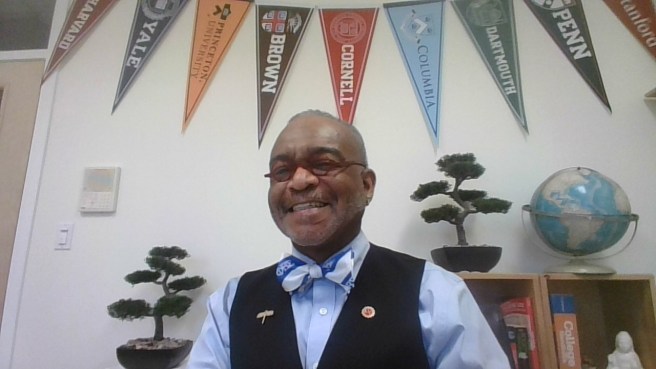
Ivy League Admissions Advisors, a division of Pinnacle Educational Center Admissions Advisors Group (PECAAG), specializes in helping students gain admissions to Ivy League and highly selective colleges. It also helps students transfer to Ivy League colleges!
BS/MD Admissions Advisors, helps students get accepted to top BS/MD programs: Brown PLME, RPI/Albany Med, U Rochester (REMS), NJIT/NJMS, TCNJ/NJMS, Case Western PPSP, UConn SPM, Penn State/Jefferson, etc. Dr. Lowe also specializes in helping students who have been rejected by BS/MD programs reapply to BS/MD programs as a Gap Year applicant: GAP Year BS/MD Admissions.